Royal Shrovetide Football: The Chaos Kicks Off in Ashbourne
Deep in the heart of Derbyshire, amidst the picturesque rolling hills, lies a town that annually sheds its quaint demeanour for two days of unadulterated, historic mayhem. This is Ashbourne, and the event is the legendary
Ashbourne Shrovetide Football, more formally known as Royal Shrovetide Football. Forget everything you know about modern football; this ancient tradition is a spectacle of raw community spirit, colossal human endeavour, and a chaotic yet undeniably thrilling contest that brings the entire town to a standstill. It’s an experience that defies easy description, blending sporting rivalry with deep-seated heritage, culminating in a unique carnival of controlled anarchy.
Every Shrove Tuesday and Ash Wednesday, Ashbourne transforms into the world's largest, most unconventional football pitch. The goalposts are miles apart, the teams number in the hundreds (sometimes thousands!), and the only real rule is that there are very few rules. The air crackles with anticipation, a palpable excitement building towards the moment the specially decorated ball is "turned up" – essentially, thrown into the mêlée to signal the start of the game. For anyone seeking an authentic slice of English tradition, replete with adrenaline and historical gravitas, understanding and perhaps even witnessing
Ashbourne Shrovetide Football is an absolute must.
The Enduring Legacy of Ashbourne Shrovetide Football
The roots of
Ashbourne Shrovetide Football plunge deep into the mists of time, possibly even predating written records. While its exact origins are shrouded in legend – some theories trace it back to a pagan fertility rite, others to a medieval ball game played with a severed head – its spirit has remained remarkably consistent. It’s a powerful testament to the resilience of local traditions in a rapidly modernising world, holding a special place in the hearts of Ashbourne residents.
Roots in Antiquity
For centuries, this unique form of "mob football" was common across England, but few have survived with the vigour and scale of Ashbourne's version. The "Royal" prefix was bestowed upon the game in 1928, when the Prince of Wales (later King Edward VIII) "turned up" the ball, cementing its national recognition. This historic game is not just a sporting event; it's a living, breathing piece of cultural heritage, an annual pilgrimage for locals and a fascinating curiosity for visitors. The survival of such an unbridled tradition speaks volumes about the community's dedication to preserving its past.
The Up'Ards vs. Down'Ards Divide
At the heart of the contest lies the fundamental division of Ashbourne's populace: the Up'Ards and the Down'Ards. This isn't about arbitrary team selection; it's a lifelong allegiance determined by geography. If you were born north of the Henmore Brook, you're an Up'Ard. Born south of it? You're a Down'Ard. This clear-cut, hereditary rivalry fuels the passion and commitment that define the game. Families pass down their allegiance through generations, creating a bond that strengthens the community while simultaneously providing the framework for this epic battle. The entire town is truly divided, creating a powerful, unifying force within each faction that spills onto the streets with incredible energy.
Understanding the "Chaos": Rules (and Lack Thereof)
To fully appreciate
Ashbourne Shrovetide Football, one must first grasp its delightfully anarchic nature. While modern sports are governed by extensive rulebooks, this game operates on a few fundamental principles, leaving much to raw strength, strategy, and sheer will. It's less about traditional refereeing and more about an unwritten code of conduct understood by all who participate.
The Elusive Goal Posts
Perhaps the most astonishing aspect for newcomers is the scale of the "pitch" and the "goals." The goals are two historic mill wheels, positioned three miles apart at Sturston Mill and Clifton Mill. To score, a player must "goal" the ball by tapping it three times against the millstone. This isn't a kick through posts; it's an intensely physical, often hours-long journey through fields, rivers, and the very streets of Ashbourne. The journey itself is as much a part of the game as the scoring, a testament to endurance and collective effort.
A Ball for the Ages
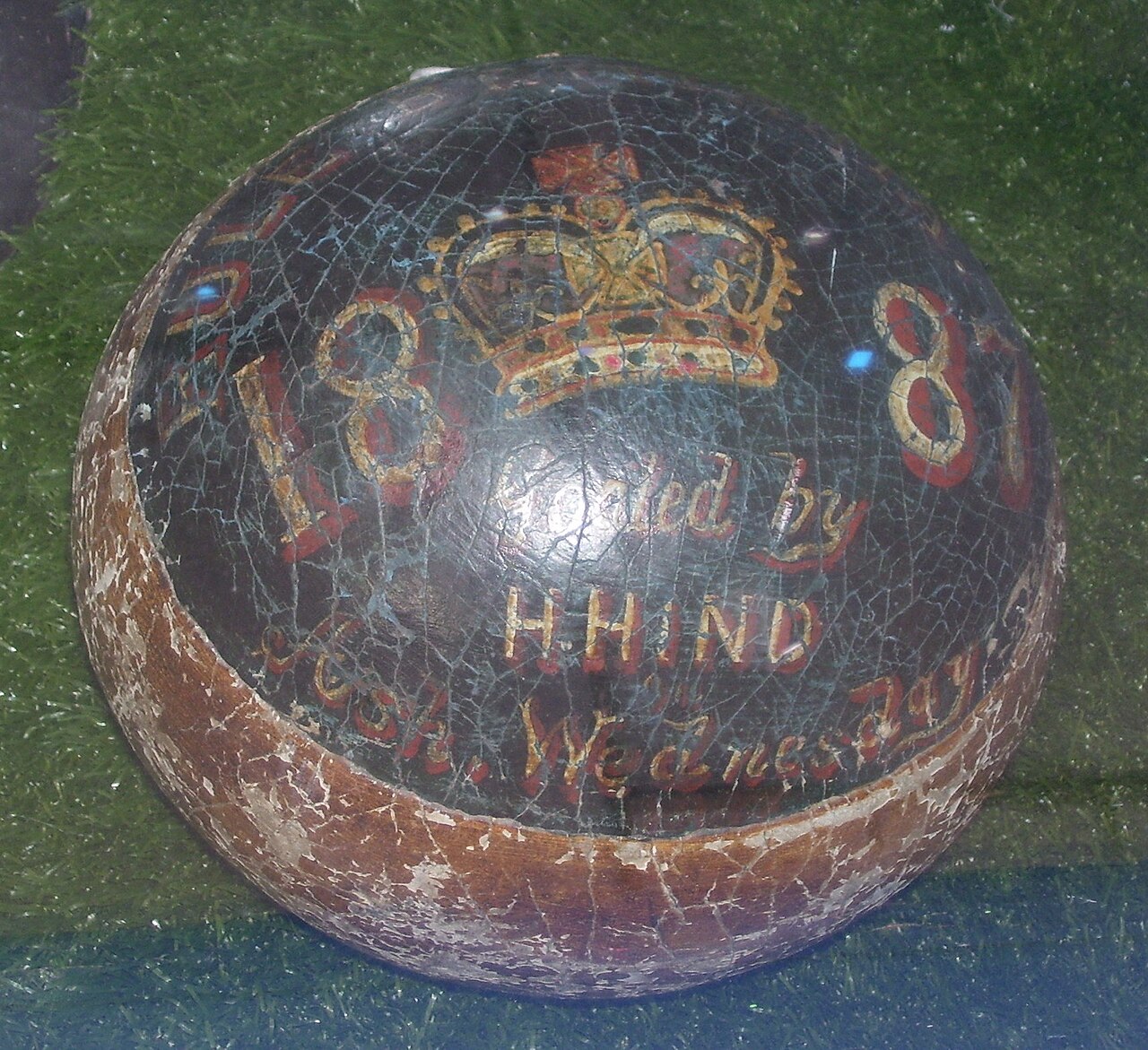
The ball itself is a work of art. Made of cork, it's significantly larger and heavier than a standard football, and each year it's hand-painted by local artists with designs commemorating current events or notable figures. It's not just a game piece; it's a symbolic object, eagerly sought after by those who manage to secure it at the end of the day. The ball, once goaled, becomes a cherished souvenir for the player who scored, a tangible symbol of their place in the game's rich history.
When and Where: The Schedule and the Field
The game unfolds over two days: Shrove Tuesday and Ash Wednesday. Play begins at 2:00 PM with the "turning up" of the ball from a specially erected plinth in the town centre. It continues until 10:00 PM, with a fresh ball turned up each day. There are few out-of-bounds areas, meaning the game spills through shops, over walls, and into the Henmore Brook, making the entire town the playing field. This fluid, unpredictable nature is what makes
Ashbourne Shrovetide Football truly unique, demanding both physical prowess and an intimate knowledge of the local terrain.
Experiencing the Spectacle: Tips for First-Timers
For the uninitiated, venturing into the heart of
Ashbourne Shrovetide Football can be an overwhelming, yet unforgettable, experience. If you’re considering witnessing this incredible tradition firsthand, preparation is key. While the game is wild, it’s also a deeply cherished local event, and respecting its customs and inherent dangers is paramount.
Dress for the Occasion (and the Weather)
Given that the game takes place in late winter/early spring, and involves wading through rivers and mud, practical attire is non-negotiable. Think old clothes, waterproofs, and sturdy, waterproof boots. You will get wet, muddy, and potentially jostled. Leave your best attire at home. It’s an immersive experience, so dress as if you’re joining in – even if you only plan to observe from a safe distance.
Prioritise Your Safety
The "hug" – the massive scrum of players around the ball – can be incredibly dense and powerful. Spectators are advised to maintain a safe distance, especially when the ball is in play near crowded areas. Many shops board up their windows, and specific areas are cordoned off for safety. Be aware of your surroundings, listen to local advice, and be prepared for sudden movements of the crowd. This is not a passive spectator sport; it demands vigilance. For those who wish to delve deeper into the spectacle and safety aspects, consider checking out
Experience Ashbourne's Unique Shrovetide Football Tradition.
Embrace the Local Spirit
More than just a game,
Ashbourne Shrovetide Football is a community festival. The town comes alive with an unparalleled buzz. Pubs are packed, food stalls emerge, and a sense of shared excitement permeates the air. Engage with locals, ask questions, and soak in the atmosphere. You’ll find a warm welcome and plenty of stories about past games and legendary players. It's a rare chance to see a community truly unite around a tradition.
More Than Just a Game: Community, Tradition, and Triumph
While the physicality and chaos are undeniable aspects of
Ashbourne Shrovetide Football, its true essence lies in the deep sense of community and the powerful connection to history it fosters. It’s a time when old rivalries are renewed, new heroes are forged, and the town collectively celebrates its unique identity.
Echoes of a Historic Victory: The Up'Ards' 3-0 Win
The sheer scale of the game means goals are rare and hard-won, often occurring only after hours of gruelling effort. Therefore, a victory, particularly a resounding one, resonates deeply within the town for years to come. Such was the case with a recent 3-0 triumph by the Up'Ards over the Down'Ards. This wasn't just a win; it was a dominant display of teamwork and individual heroism. The cheers that echoed through Ashbourne after the final goal were a testament to the emotional investment of the participants and spectators alike. Players like Josh Redfern, who notably goaled the ball to put his side 2-0 up, are carried back through the town as heroes, their names etched into the annals of Shrovetide history. These moments of individual brilliance, achieved within the vast collective effort of the "hug," encapsulate the very spirit of the game. If you're interested in diving into the details of this specific monumental triumph,
Ashbourne Shrovetide: Reliving the Up'Ards' 3-0 Victory provides an in-depth look. Such victories are talked about for generations, becoming part of the local folklore and inspiring future participants.
Conclusion
Ashbourne Shrovetide Football is far more than a chaotic game played out on the streets of a Derbyshire market town. It is a vibrant, living testament to enduring tradition, community spirit, and a remarkable connection to a storied past. From the moment the ball is "turned up" to the celebratory cheers after a goal, every aspect of this Royal Shrovetide event is imbued with a unique energy and a sense of belonging. Whether you are a dedicated participant battling in the "hug," a local cheering from the sidelines, or a curious visitor drawn by its ancient allure, the experience of
Ashbourne Shrovetide Football leaves an indelible mark. It’s a powerful reminder that some of the greatest spectacles lie not in polished arenas, but in the raw, authentic heart of a community dedicated to its heritage.